

One Impossible Photo Request – and the Shift It Created in My Practice
When a Client Couldn't Send the "Right" Photo

One of the things I’ve been reflecting on lately is how much of my animal communication practice was initially inherited… before it was truly examined.
Like many communicators, I learned with photos from the very beginning.
Not only photos - but very specific kinds of photos.
A close-up showing the face and eyes.
A full body shot.
Sometimes even a recent photo only.
And because this was taught so consistently, I never really questioned it.
It simply became:
“This is how animal communication works.”
Then professional practice began changing me.
Not all at once.
Not through rebellion.
Not because I suddenly thought everything I’d learned was wrong.
But because real animals and real humans rarely arrive in neat teaching conditions.
I remember one horse guardian struggling to send me the “correct” photo I’d requested.
I’d asked for a clear close-up image showing both eyes.
A few days before the session, I still hadn’t received anything. I remember thinking perhaps she’d changed her mind about the communication altogether.
When I eventually contacted her, she sounded almost apologetic.
“I just can’t get a photo where you can see both his eyes.”
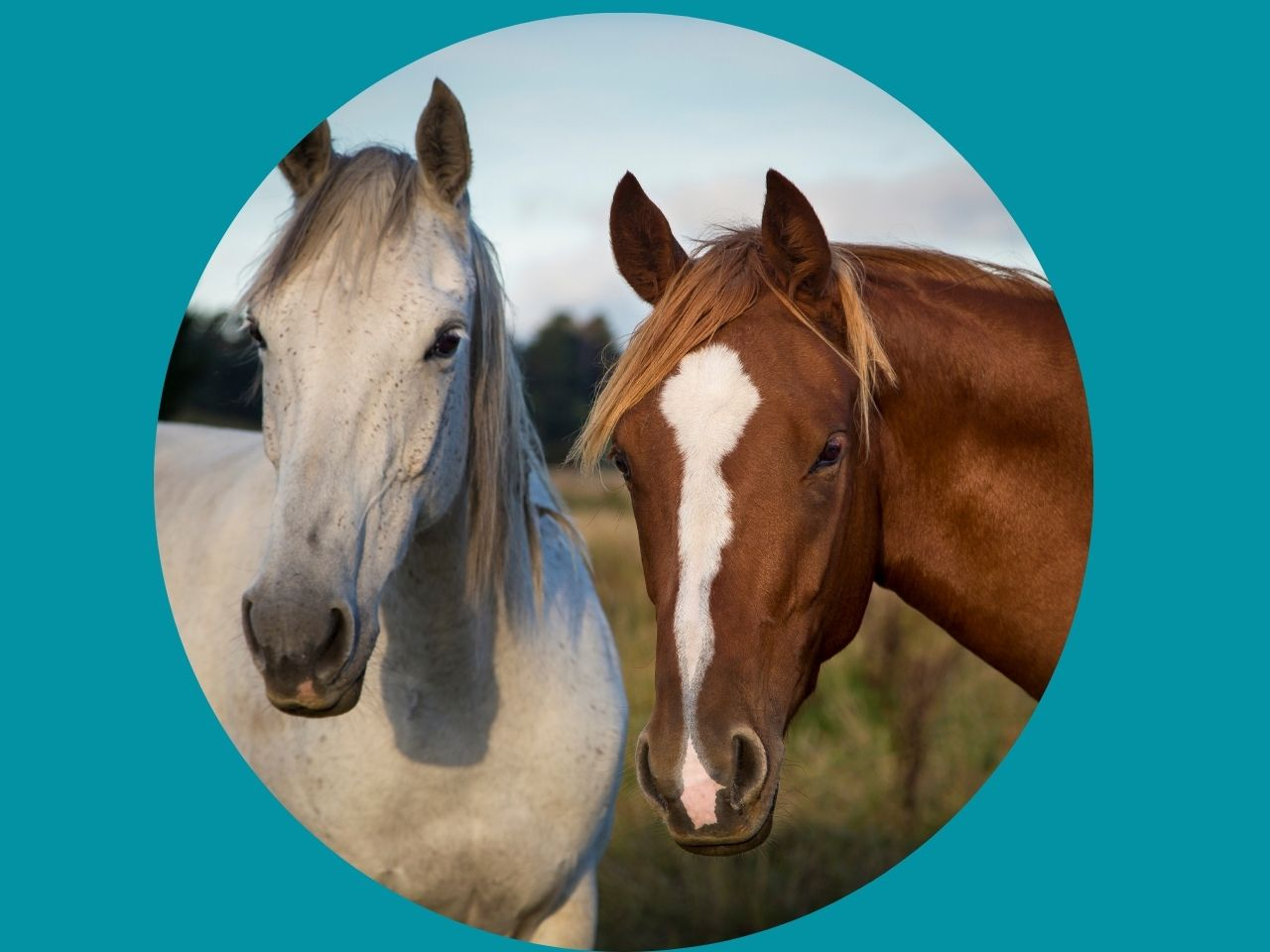
And suddenly I realised how absurd my request sounded in real life.
She explained she could get one side of his face… then the other side… and at one point she even joked about whether I wanted her to somehow combine the two images together.
I remember laughing afterwards at myself more than anything else.
Because I could hear it clearly then:
I had simply repeated something I’d been taught without ever fully examining whether it made practical sense.
Then came another experience that stayed with me even more deeply.
A client booked a communication with her dog, but days passed without her sending the requested photos.
Again, I assumed she’d become hesitant about the appointment.
When I reached out, she replied:
“We’ve been trying all week, but every time we point the camera at him, he runs away.”
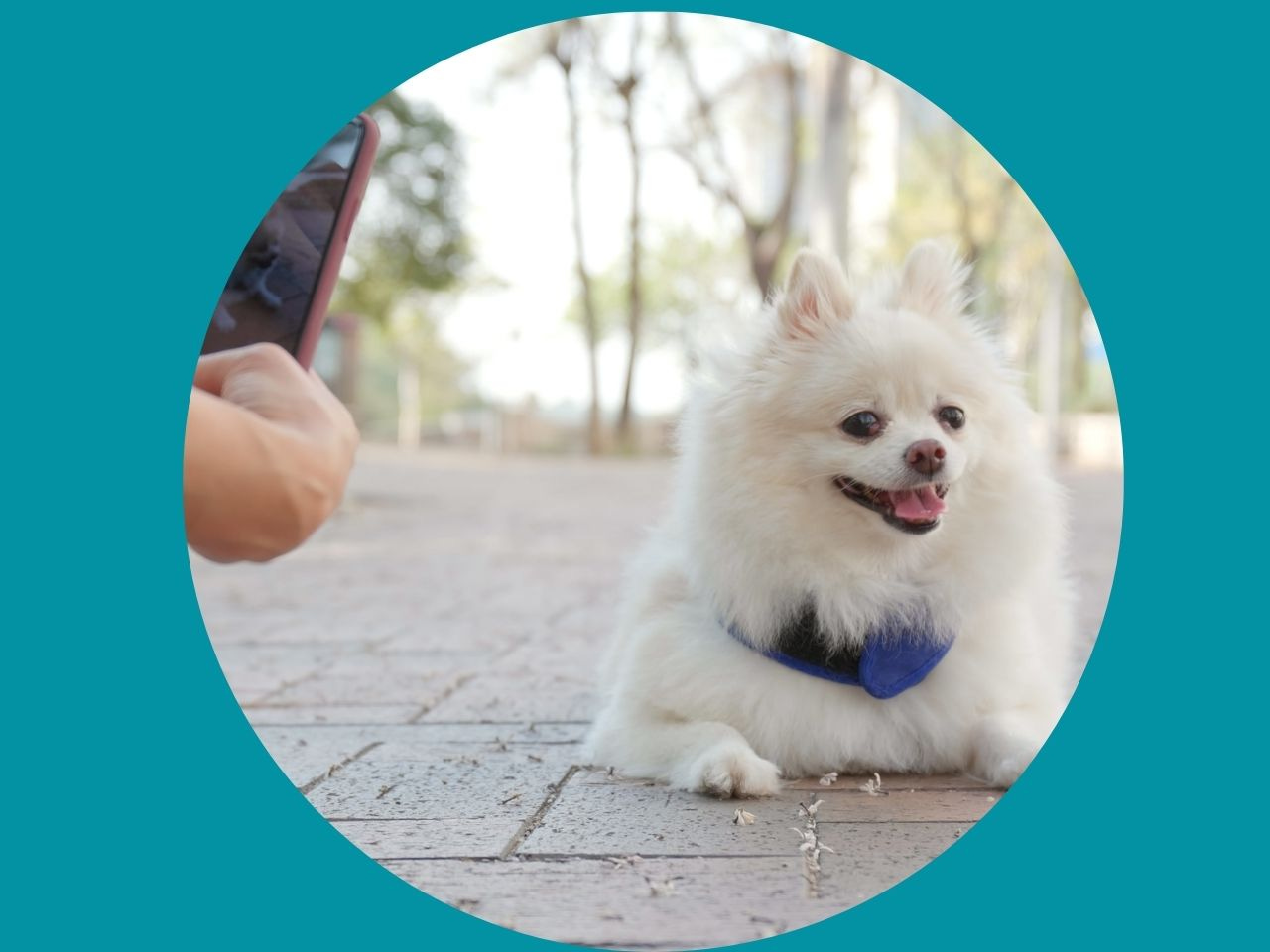
I still remember the feeling that landed in my stomach when I read that email.
Because in that moment I realised something difficult:
The preparation process I had created for the communication session was stressing the very animal I was supposed to be helping.
Not intentionally.
Not maliciously.
But it was still happening.
And that changed something in me.
From that point onwards, I began adding a note to my client forms:
“Photos only if it doesn’t stress your animal.”
A small sentence perhaps.
But it reflected a much bigger shift happening underneath.
I started noticing how often my professional work challenged assumptions I didn’t even realise I was carrying.
The frontline does that.
It takes everything we learn in controlled environments and places it into living, breathing relationships.
Into real homes.
Real grief.
Real logistics.
Real emotions.
Real animals with their own preferences, sensitivities, and ways of being.
Because animals don’t always:
pose for photos
look directly at the camera
hold still
fit the “ideal” criteria we were taught to request
And clients don’t always arrive with perfect conditions either.
Sometimes the animal is in spirit and the only photograph available is from thirty years ago.
Sometimes they are wildlife, rescues, or strays.
Sometimes another animal suddenly enters the conversation during a live Zoom session and there’s no time to request photographs, forms, or details.
That happened to me too.
A client booked a session for her dog, but during the conversation it became clear another animal in the household was deeply involved in the situation.
Previously, I would have paused the session and asked them to quickly send me a photo.
But one day, instead, I heard myself say:
“Just hold your cat in your mind for a moment and let’s see what happens.”
I remember my heart pounding slightly as I said it.
Because despite years of experience, part of me still thought:
What if I can’t connect properly without the photo?
But it worked.
Not because the photo was wrong before.
But because that moment forced me to experience something beyond the structure I’d become comfortable with.
What I’ve discovered over time is that both approaches have their place.
Sometimes a photo helps me connect more quickly with the animal’s physical experience, emotional state, and personality.
Other times, not having a photo seems to open something different - where I listen more deeply through energy, intention, and sensation rather than visual cues.
I no longer see it as “photo versus no photo.”
I see them as different doorways into connection.
And honestly, consultations still create the most nervousness in me.
Not because I doubt animal communication itself - but because frontline work constantly stretches me beyond what feels familiar.
There are still moments where I feel the wobble.
Moments where I realise:
“I haven’t done it this way before.”
But I’ve also started recognising something important.
That nervousness is often a sign I’m learning something new.
And after more than a decade of practising animal communication, I think that matters.
Because imagine if I’d simply stopped questioning.
Stopped experimenting.
Stopped reflecting on the real-life impact of the way I work.I wouldn’t be the communicator I am today.
And perhaps more importantly, I wouldn’t be the communicator the animals need me to become.
It is through cumulative frontline experiences with real animals and their humans that my practice continues to evolve - not by abandoning what I was taught, but by allowing lived experience to refine, challenge, and deepen it.
And perhaps that’s true for many helping professions.
There is the cocoon of learning.
And then there is relationship.
One gives us structure.
The other gives us wisdom.